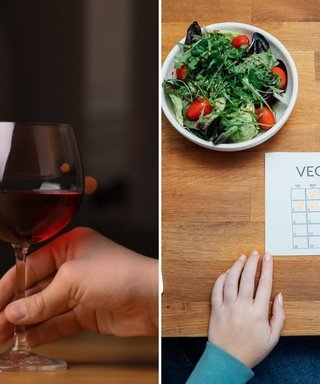
January has always been the Super Bowl of wellbeing campaigns. Fresh starts, good intentions and a collective urge to reset make it prime time for brands to show up loud, purposeful and credible.
But this year, one campaign has clearly taken centre stage.
Dry January has felt bigger than ever, dominating headlines, brand activations and social feeds. Veganuary, once the undisputed January heavyweight, has felt quieter. Not gone, just evolving into something that arguably resonates more strongly with today’s consumer.
So, what is driving the shift, and what does it mean for food and wellbeing brands?
Why Dry January is winning right now
Dry January has tapped into something incredibly timely: moderation, not restriction.
Rather than asking consumers to overhaul their entire diet, it focuses on one clear, finite behaviour. One month, one habit, tangible benefits. Better sleep, more energy, clearer heads. From a PR perspective, that simplicity is highly media-friendly and easy to evidence.
Crucially, this shift is backed by retail insight. Waitrose’s Food and Drink Report highlights a growing appetite for low and no alcohol options, with shoppers seeking drinks that deliver flavour, ritual and sophistication, just without the alcohol. Non-alcoholic spirits, beers and functional alternatives are no longer niche. They are becoming part of everyday shopping baskets.
What is particularly interesting is who is leaning into this narrative, and how.
Retailers are giving non-alcoholic drinks prime shelf space, positioning them as lifestyle-led choices rather than substitutes. Drinks brands are reframing alcohol-free not as missing out, but as a positive wellbeing choice and a lifestyle must-have.
Hospitality is keeping pace too. It’s no longer just about adding a few alcohol-free options to the menu. Some venues are going fully AF, reimagining what a bar experience can look like. London’s SouthGate is leading the charge, proving you can still have a high-energy, ‘vibey’ space, just without alcohol at the centre.
Beyond drinks, functional beverages, supplements and wellness tech are also plugging into Dry January. From adaptogenic drinks positioned as evening wind-down rituals, to gut health and sleep-support products aligned with reduced alcohol consumption, January has become a gateway to broader wellbeing conversations.
From a media perspective, this makes Dry January incredibly versatile. It cuts across health, lifestyle, retail, food and workplace wellbeing. It is not about abstinence for abstinence’s sake. It is about balance, and that is a far more compelling story in 2026.
Veganuary’s fight back
If Dry January has dominated the headlines, Veganuary has not disappeared. It has quietly recalibrated.
From a PR perspective, the shift is clear. Veganuary is moving away from hard-line messaging and towards accessibility, flexibility and everyday relevance.
Rather than pushing a full lifestyle overhaul, brands and retailers are reframing Veganuary around plant-forward eating, simple swaps and familiar formats. The focus has shifted from “go vegan for a month” to “easy ways to eat more plants”. It is a subtle change, but one that aligns far better with how people now approach food and health.
Retailers are supporting this by integrating plant-based options into core ranges rather than isolating them. Ready meals, sauces and ingredients are being positioned as flavour-first, affordable and family-friendly, making Veganuary stories easier to land beyond specialist health media.
Health messaging has evolved too. Instead of leaning solely on ethics, brands are talking about fibre, gut health, diversity of plant intake and overall dietary balance. This allows Veganuary to sit alongside wider January wellbeing narratives rather than compete directly with them.
The usual 'hype' around Veganuary might have died down, but the overall demand continues to be strong.
So, who really wins January?
This is not a straight fight between Dry January and Veganuary. It’s a reflection of how wellbeing itself is changing.
Dry January is winning right now because it is simple, achievable and aligned with a moderation mindset, making it easy for brands to gain cut-through. Veganuary, while quieter, is playing a longer game, evolving towards plant-forward, flexible eating that reflects how people want to live.
The takeaway? January success is not about extremes. It is about realism.
We see the strongest campaigns as those that meet consumers where they are, helping healthier choices feel achievable, not just in January, but all year round.